

## 5 Must-Have Baby Safety Products
Bringing a new baby home is an exhilarating, exhausting, and often slightly terrifying experience. Suddenly, that beautiful bundle of joy is also a tiny human utterly dependent on you for survival.
While you can’t exactly wrap your baby in bubble wrap (tempting though it may be), you *can* equip your home with the right tools to mitigate common risks. Safety isn’t about eliminating every potential hazard—that’s impossible—but about managing the big ones so you can spend less time worrying and more time enjoying those fleeting early months.
For smart, busy parents, the goal is efficiency: buying what you need, avoiding the junk, and prioritizing safety essentials that truly make a difference.
Here are five must-have baby safety products that belong at the top of your registry and shopping list.
—
### 1. The Secure Car Seat (Installed Correctly)
This isn’t just a “must-have” product; it’s a legal, life-saving necessity.
Traffic accidents are a leading cause of death and injury for children. A correctly chosen and installed car seat is the single most important piece of safety equipment you will ever buy.
#### Why It Matters:
* **Injury Prevention:** Car seats are specifically designed to distribute crash forces across the child’s strongest skeletal areas, minimizing head and spine injuries.
* **Compliance:** In the US, all infants must ride in rear-facing car seats until they reach the maximum height or weight limit specified by the manufacturer (often well past their first birthday, and ideally until age two or longer).
The challenge isn’t just buying the seat—it’s installation. Upwards of 70% of car seats are installed incorrectly, rendering them significantly less effective.
**Actionable Tip:** Don’t just follow the manual (though you must!). Locate a certified Child Passenger Safety Technician (CPST) in your area who can inspect your installation. Many local fire departments, hospitals, or police agencies offer this service for free.
—
### 2. Reliable Smoke and Carbon Monoxide Detectors
We often focus on direct baby hazards—crib safety, choking risks—but foundational home safety is paramount for the whole family, including the most vulnerable member.
Smoke detectors are mandatory, but pairing them with reliable carbon monoxide (CO) detectors is crucial, especially if you have gas appliances, a furnace, or an attached garage.
Carbon monoxide is odorless, colorless, and deadly. Infants, with their higher respiratory rates, are especially susceptible to CO poisoning.
#### Check Your Setup:
* Ensure you have functioning smoke detectors on every level of your home, particularly outside sleeping areas.
* Install CO detectors on every level as well. Battery-operated units are excellent, allowing for flexible placement.
* Make a habit of testing the batteries monthly and replacing units every 5–10 years, as the sensors degrade over time.
—
### 3. Safety Gates (Hardware-Mounted, Not Pressure-Mounted)
Once your baby begins to crawl and eventually walk, the world opens up—and so do opportunities for dangerous tumbles. Stairwells are the biggest culprit for serious accidental falls.
While pressure-mounted gates are easy and useful for blocking off doorways or non-critical areas, they are *not* safe for the top of the stairs. A pressure-mounted gate can fail if leaned on, leading to a serious accident.
#### Choose Wisely:
* **Top of Stairs:** Always use a hardware-mounted gate that screws directly into the wall studs or banister post. These create a fixed barrier that can withstand the weight of a curious toddler.
* **Bottom of Stairs/High-Traffic Areas:** Hardware-mounted is still the safest option, but a high-quality pressure-mounted gate with a reliable locking mechanism may suffice if the area is low-risk.
**Remember:** Safety gates aren’t just for stairs. Use them to block off areas containing hazards, like kitchens, bathrooms with open toilet access, or rooms with delicate equipment.
—
### 4. Comprehensive Childproofing Locks and Latches
Once the mobility phase hits (around 6–9 months), everything is fascinating—especially drawers and cabinets. The goal of childproofing isn’t just to keep your baby out of the snack cupboard; it’s to keep them away from poisonous chemicals, sharp objects, and heavy items that could fall.
While you could certainly buy an enormous childproofing kit, smart parents target the highest-risk areas first.
#### Priority Areas for Locking:
* **Kitchen/Bathroom Cabinets:** Specifically those containing cleaning products, medications, and small, sharp utensils (knives, peelers). Use magnetic locks or strong adhesive cabinet latches.
* **Drawers:** Install drawer stops or locks to prevent heavy items (like a full cutlery tray) from being pulled out and landing on a small foot.
* **Toilet Lids:** Toilet locks prevent drowning hazards (yes, small amounts of water are a risk) and keep curious hands out of unsanitary water.
**Beyond the Locks:** Don’t forget the electrical outlets. Simple plastic plug protectors are cheap, easy to install, and essential for preventing shocks.
—
### 5. A Safe Sleep Environment (The ABCs)
The safest and arguably most crucial safety practice involves the baby’s sleeping area. Safe sleep guidelines, promoted by organizations like the American Academy of Pediatrics (AAP), significantly reduce the risk of Sudden Infant Death Syndrome (SIDS).
The “product” here is the *crib setup itself*, which must adhere to the ABCs of safe sleep:
* **A**lone: The baby sleeps alone in their own designated sleep space. No co-sleeping.
* **B**ack: The baby is placed to sleep on their back every time.
* **C**rib: The baby sleeps in a compliant crib, bassinet, or play yard that meets current safety standards.
#### Essential Sleep Products:
* **Firm Mattress:** The mattress must be firm and fit snugly into the crib frame with no gaps (a gap larger than two fingers is unsafe).
* **Fitted Sheet:** Only use a tight-fitting sheet designed for the mattress.
* **Wearable Blanket/Sleep Sack:** These replace loose blankets, which pose a suffocation risk. A sleep sack is a crucial safety product for keeping baby warm without hazards.
**What to Avoid:** Do not use crib bumpers, pillows, loose blankets, stuffed animals, or positioners in the crib. The crib should be completely empty except for the baby and a fitted sheet.
—
Safety is an ongoing process, not a one-time purchase. By prioritizing these five essentials, you’ve laid a solid foundation for a safe, secure home where you can focus on the important job: being a parent.
Recommended Products
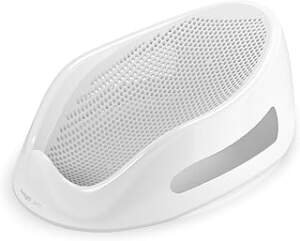
Angelcare Baby Bath Support (Gray) | Ideal for Babies Less Than 6 Months Old
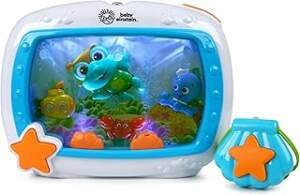
Baby Einstein Sea Dreams Soother Musical Crib Toy and Sound Machine, Newborn and up
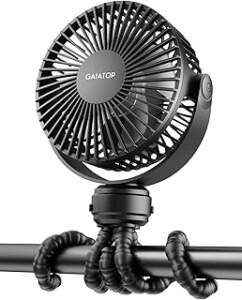
Gaiatop Mini Portable Stroller Fan, Battery Operated Small Clip on, Detachable 3 Speed Rechargeable, 360° Rotate Flexible Tripod Better Cooling for Car Seat Crib Treadmill Travel Black
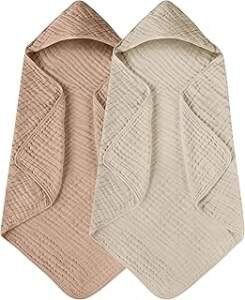
Yoofoss Hooded Baby Towels for Newborn 2 Pack 100% Muslin Organic Cotton Baby Bath Towel with Hood for Babies, Infant, Toddler and Kids, 32x32Inch, Soft and Absorbent Newborn Essential, Beige&Coffee
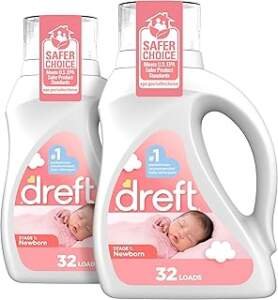
Dreft Newborn Baby Liquid Laundry Detergent, Gentle on Sensitive Skin, HE Compatible, 2 Pack, 32 Loads Each, Baby Laundry Detergent, Newborn Essentials


Leave a Comment