


# Stop Hazards: Essential Baby Proofing Tips
The moment you bring a newborn home, your house transforms from a cozy sanctuary into a meticulously observed bubble. But when that tiny, immobile bundle suddenly starts rolling, scooting, and eventually crawling, the atmosphere shifts again. Your home ceases to be a haven and becomes, quite frankly, a series of cleverly disguised hazards.
Baby-proofing isn’t just about sticking plastic plugs in outlets; it’s a comprehensive safety audit conducted from the perspective of a determined, 30-inch-tall explorer with zero sense of self-preservation. It can feel overwhelming, but approaching it systematically—room by room, hazard by hazard—makes the process manageable.
Take a deep breath. Your mission, should you choose to accept it, is to anticipate danger before your little one finds it.
***
## The Proactive Shift: When to Start?
Many new parents wait until their baby is fully mobile to start baby-proofing. This is a common mistake. Most babies begin the “scooting” phase between four and six months. Once they can propel themselves even a few inches, they can reach low-hanging cords, pet bowls, and anything sitting precariously on a coffee table edge.
Start your major safety checks before the four-month mark. This gives you time to order and install the equipment that requires drilling (like gates and furniture straps) without doing it under the stress of a rapidly advancing crawler.
***
## Level 1 Safety: Ground Zero
Your floor space is now the center of the universe, and everything within knee-height is fair game for grabbing, tasting, or pulling.
### Electrical & Mechanical Dangers
Outlets are arguably the first thing parents think of, and for good reason. While simple plastic plugs work, consider replacing standard outlets with **self-closing or sliding plate covers** (shutter-style). These require no effort on your part to ensure they are covered and are far harder for toddlers to pry loose than standard inserts.
Beyond the outlets, look for cords.
* **Tangle Hazards:** Secure all appliance cords (lamps, TVs, fans) completely out of reach. If possible, anchor excess cord length behind furniture.
* **Small Parts:** Batteries, particularly coin-sized lithium batteries, are incredibly dangerous if swallowed. Ensure all battery compartments on toys and remotes are secured with screws or heavy-duty tape.
* **Heat:** Ensure humidifiers, space heaters, and curling irons are stored or placed where a reaching hand cannot touch them.
### The Hidden Heavy Hitters: Furniture Tipping
This is perhaps the single most important, yet often overlooked, baby-proofing step. Tip-over incidents involving dressers, bookshelves, and televisions cause serious injury and death every year. When a small child opens a lower dresser drawer and uses it as a stair, the entire unit can fall forward.
**Anchor everything.**
Any piece of furniture over 30 inches tall (dressers, large bookshelves) or heavy, freestanding items (TV stands) must be secured to the wall using anti-tip kits or straps. These kits are inexpensive and relatively easy to install, and they are non-negotiable for safety. Modern flat-screen TVs must also be anchored to the stand or the wall itself, as they are surprisingly unstable when placed on top of furniture.
***
## The Kitchen, Bathroom, & Chemical Cache
These rooms pose the dual threat of ingestion (toxins) and drowning (water). Cabinet locks are your best friend here, but choose the right kind.
### Toxins and Tidy Spaces
Think about your cleaning products. They are often colorful and stored under the sink—at the perfect height for a curious baby.
* **Relocation:** The safest storage solution for all cleaning supplies, detergents, and chemicals is high overhead, in a locked pantry or cabinet.
* **Magnetic Locks:** For kitchen and bathroom cabinets, traditional latch locks often fail over time. Magnetic cabinet locks are nearly impossible for children to defeat and are invisible from the outside, maintaining your kitchen aesthetic.
* **Poisons Beyond Bleach:** Remember that medicine, vitamins (especially gummy ones), liquor, and cosmetics are also highly poisonous in large doses. Store them exactly where you store the bleach: high up and locked.
### Water Hazards
A child can drown in as little as an inch or two of water.
* **Toilet Locks:** Install a simple latch lock on all toilet lids to prevent access to the water and stop curious minds from dropping items (and potential hazards) into the bowl.
* **Hot Water:** Turn your water heater thermostat down to 120°F (49°C) or below. This prevents scalding injuries during bath time.
* **Bath Safety:** Never leave a child unattended in the bathtub, even for a moment. Gather all necessary items *before* bath time begins.
***
## Navigating the Vertical World
As your child grows, their climbing skills develop faster than their motor control. Falls are inevitable, but critical barriers can mitigate serious injuries.
### Stair Gates and Barriers
Stair gates are essential at the top and bottom of every staircase.
* **Top of Stairs:** Use **hardware-mounted gates only**. A pressure-mounted gate can fail if the child pushes or leans on it, creating a catastrophic fall hazard. Hardware gates must be screwed into the wall studs for maximum stability.
* **Bottom of Stairs:** A pressure-mounted gate is usually acceptable here, as a fall from the bottom is less severe, but a hardware-mounted gate is always superior.
* **Restrict Access:** Use gates to block off rooms that cannot be fully baby-proofed (e.g., home offices, basements, or exercise rooms).
### Window Risks
Window blind cords are a known strangulation hazard. Replace traditional blinds with cordless versions, or use safety clips and tension devices to secure the cords high out of reach. Similarly, install window stops or guards to prevent windows from opening wide enough for a child to fall out.
***
## The Final Word: Continuous Auditing
Baby-proofing is a marathon, not a sprint. The essential tips above will cover the major risks, but as your child develops—from crawling to cruising to climbing—the hazards evolve.
Continue to audit your home regularly from your child’s perspective. Get down on your hands and knees. What looks shiny? What is easy to pull? What small object has fallen under the couch?
By staying vigilant and proactive, you can transform your home into a safe harbor where your little explorer is free to learn and grow, minimizing the risks so you can enjoy the adventure.
Recommended Products
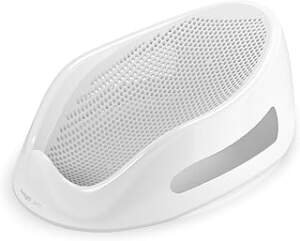
Angelcare Baby Bath Support (Gray) | Ideal for Babies Less Than 6 Months Old
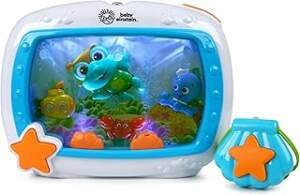
Baby Einstein Sea Dreams Soother Musical Crib Toy and Sound Machine, Newborn and up
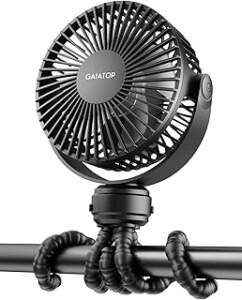
Gaiatop Mini Portable Stroller Fan, Battery Operated Small Clip on, Detachable 3 Speed Rechargeable, 360° Rotate Flexible Tripod Better Cooling for Car Seat Crib Treadmill Travel Black
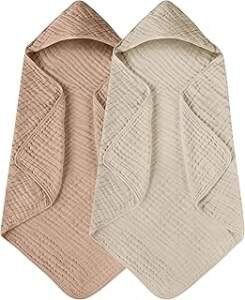
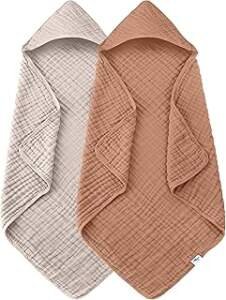
Yoofoss Hooded Baby Towels for Newborn 2 Pack 100% Muslin Organic Cotton Baby Bath Towel with Hood for Babies, Infant, Toddler and Kids, 32x32Inch, Soft and Absorbent Newborn Essential, Beige&Coffee
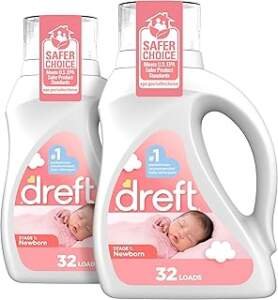
Dreft Newborn Baby Liquid Laundry Detergent, Gentle on Sensitive Skin, HE Compatible, 2 Pack, 32 Loads Each, Baby Laundry Detergent, Newborn Essentials




Leave a Comment