


# Essential Baby Proofing Tips for Home Safety
That sweet, quiet newborn stage doesn’t last forever. One minute you’re marveling at a tiny fist; the next, you’re in a state of high alert as that fist grasps the nearest electrical cord. The transition from stationary infant to mobile explorer happens fast, and it often catches even the most prepared parents off guard.
Baby proofing isn’t about creating a sterile, obstacle-free environment; it’s about anticipating risk so your child can safely explore and develop. Think of it as creating a “Yes” space—an area where you don’t have to say “No, stop, don’t touch!” every two seconds.
The best way to start is simple: **Get down on your hands and knees.** See your home from the three-foot-and-under perspective. What looks interesting? What’s shiny? What’s chewable?
Here is your comprehensive guide to transforming your home into a safe haven for your newly mobile, curious human.
## Phase 1: Securing the Crawl Zone Fundamentals
The floor is the first frontier. Everything that is reachable by a hand, a mouth, or a sudden lunge needs immediate attention.
### Electrical and Outlet Safety
Outlets are magnets for tiny fingers. While plastic plugs are the most common solution, they can themselves become a choking hazard if easily removed.
* **Slide Covers are Superior:** Look for self-closing, internal plate covers that automatically seal the socket when a plug is removed. They require an adult-level grip and coordination to open, offering much better protection than standard caps.
* **Cord Management:** Dangling cords—from lamps, chargers, or entertainment systems—are a strangulation hazard and an invitation to pull down heavy objects. Use cord shorteners, tie-offs, or cable management boxes to keep wires hidden and inaccessible.
### Furniture Tipping Hazards: The Silent Killer
According to the U.S. Consumer Product Safety Commission, a child is seriously injured by tipping furniture, TVs, or appliances roughly every 30 minutes. This is arguably the most critical and often overlooked hazard in the home.
Any piece of furniture that is lightweight, tall, or features drawers that can be pulled out to create climbing steps (like a dresser) *must* be anchored.
* **Anchor Everything:** Use heavy-duty anti-tip kits (straps or brackets) to secure dressers, bookshelves, TV stands, and tall cabinets directly into the wall studs.
* **Move the TV:** Flat-screen TVs are top-heavy. If they are not mounted on the wall, they must be securely anchored to the stand or furniture unit they sit on. Never leave a TV resting unsecured on a dresser top.
* **Remove the Temptation:** Keep tempting items like remote controls, toys, or snacks off the tops of furniture, preventing your child from climbing to reach them.
## Phase 2: High-Risk Areas – Kitchens and Bathrooms
These rooms contain the most potent and dangerous elements: chemicals, heat, and water.
### Cabinet and Drawer Discipline
The simple plastic latch is the cornerstone of kitchen safety.
* **Invest in Quality Locks:** For drawers containing sharp objects (knives, peelers), use magnetic locks that are completely inaccessible from the outside. For low cabinets containing cleaning supplies, use spring-release latches.
* **Chemical Staging:** Even if you think you’ve secured the low cabinets, move all cleaning supplies, detergents, dish pods, and medications to a high, locked cabinet well out of reach. Never assume a temporary spot on the counter is safe.
### Water and Burn Prevention
Toddlers move fast, and accidental scalding can happen in seconds.
* **Adjust the Water Heater:** Set your home’s hot water heater thermostat to no higher than 120°F (49°C). This simple step ensures that tap water cannot cause third-degree burns.
* **Toilet Locks:** Toilets are heavy, unsanitary, and a drowning risk for a top-heavy toddler. Use a simple lid lock to prevent accidental access.
* **Stove Safety:** Install stove knob covers or remove the knobs completely when the stove is not in use. Always turn pot handles inward so they cannot be grabbed from the floor.
## Phase 3: Managing Heights and Access
Once cruising and walking begins, stairs, railings, and windows become major hazards.
### Gates: The Crucial Barrier
Choosing the right gate for the right place is essential.
* **Top of the Stairs:** You *must* use a **hardware-mounted gate** that screws securely into the wall or stair post. A pressure-mounted gate can fail if a child pushes or falls against it, creating a severe fall risk.
* **Bottom of the Stairs:** A pressure-mounted gate is usually sufficient here, as the worst-case scenario is the gate tipping over onto the flat landing.
### Window and Blind Cord Safety
Windows present two key dangers: falls and strangulation from cords.
* **Lock the Low Ones:** Install window guards or stops that prevent windows from opening more than four inches. This allows for ventilation but prevents a fall.
* **Cut the Cords:** Window blind cords are one of the leading causes of accidental strangulation among young children. Replace corded blinds with cordless versions, or use safety cleats high on the wall to wrap and secure the cords completely out of reach.
## Phase 4: The Choke Hazard Audit
If it can fit through a toilet paper tube, it is a choking hazard. Children explore the world orally, especially between 6 and 36 months.
* **Button Batteries and Magnets:** These require special, urgent attention. Button batteries (found in remotes, toys, key fobs) can cause severe internal damage and death if swallowed. Small, powerful magnets, if swallowed, can connect across intestinal walls, causing serious damage. Store items containing these components securely, or better yet, remove them from the home entirely.
* **Scrutinize Hand-Me-Downs:** Older toys and games may contain small parts. Ensure toys are age-appropriate.
* **Floor Sweep:** Make a daily habit of sweeping the floor for loose change, paper clips, rubber bands, pet food, and forgotten puff balls—anything that has fallen from a counter or pocket.
Baby proofing is a continuous process, not a one-time task. As your child grows and gains new skills—climbing, opening doors, unlocking latches—you’ll need to adapt. Stay proactive, look at your home through their eyes, and you will create the foundation for a safe and happy exploration.
Recommended Products
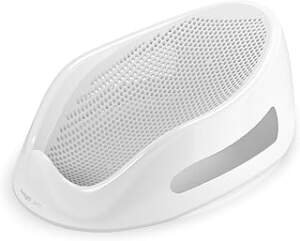
Angelcare Baby Bath Support (Gray) | Ideal for Babies Less Than 6 Months Old
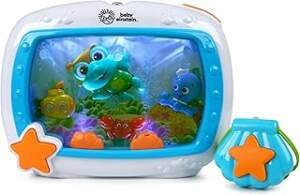
Baby Einstein Sea Dreams Soother Musical Crib Toy and Sound Machine, Newborn and up
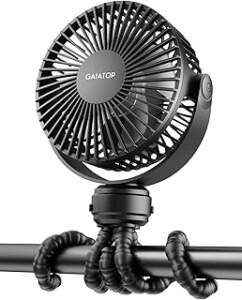
Gaiatop Mini Portable Stroller Fan, Battery Operated Small Clip on, Detachable 3 Speed Rechargeable, 360° Rotate Flexible Tripod Better Cooling for Car Seat Crib Treadmill Travel Black
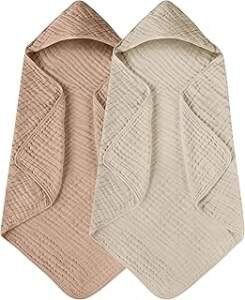
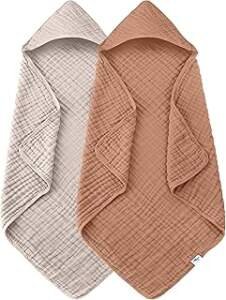
Yoofoss Hooded Baby Towels for Newborn 2 Pack 100% Muslin Organic Cotton Baby Bath Towel with Hood for Babies, Infant, Toddler and Kids, 32x32Inch, Soft and Absorbent Newborn Essential, Beige&Coffee
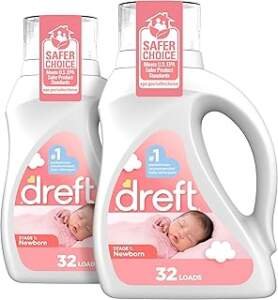
Dreft Newborn Baby Liquid Laundry Detergent, Gentle on Sensitive Skin, HE Compatible, 2 Pack, 32 Loads Each, Baby Laundry Detergent, Newborn Essentials






Leave a Comment