


# The Diaper Rash Guide: Soothe & Prevent
The dreaded red patches. The tell-tale sign of discomfort. Diaper rash is one of the most common afflictions of early childhood, yet it remains one of the most frustrating for parents to deal with. It’s a rite of passage, perhaps, but it doesn’t have to be a painful one—for the baby or the parent.
While nearly every baby will experience diaper rash at some point, understanding what causes it, how to treat it quickly, and most importantly, how to prevent it, can make all the difference. This guide will walk you through the essential steps to keep your little one’s bottom happy and healthy.
## Understanding the Enemy: Why Rash Happens
A diaper is a warm, moist environment—perfectly designed for holding waste, but also unfortunately, perfectly designed for irritating sensitive skin.
Diaper rash is primarily a form of contact dermatitis. It occurs when the skin is exposed to prolonged wetness or irritants like urine and feces. Several factors can exacerbate the problem:
* **Wetness & Friction:** Even the most absorbent diapers leave some moisture, which weakens the skin barrier. The friction of the diaper rubbing against the skin accelerates irritation.
* **pH Imbalance:** Enzymes in stool, particularly when combined with urine, raise the skin’s pH, making it more vulnerable to irritation and infection.
* **Dietary Changes:** Starting solids, or even changes in a breastfeeding mother’s diet, can alter the baby’s stool composition and frequency, triggering a rash.
* **Antibiotics:** If your baby (or a breastfeeding mother) is taking antibiotics, it can wipe out beneficial gut flora, sometimes leading to diarrhea and often, a secondary yeast infection (candidiasis) rash.
## Rapid Relief: Treating an Active Rash
When a rash flares up, speed and consistency are key. Your goal is to dry the area, reduce inflammation, and create a protective barrier.
### 1. The Cleanse (Gentle but Thorough)
Forget the harsh wipes for a few days. The chemicals and friction can worsen the irritation.
* **Use Water:** When changing a diaper, gently cleanse the area using lukewarm water and a soft cloth, or a dedicated baby washcloth. Pat, don’t scrub.
* **Avoid Soap:** If using soap, choose a mild, non-fragranced cleanser sparingly. Soap can strip natural oils.
* **Rinsing is Key:** Ensure all traces of urine and feces are completely removed.
### 2. The Air Dry (Crucial Step)
This is often the most skipped, yet most important, treatment step. Moisture is the rash’s fuel.
* **Naked Time:** After cleansing, let your baby’s bottom air dry for 5–10 minutes. Lay them on an absorbent pad or waterproof mat. This allows the skin to breathe and dry completely before applying any creams.
* **Use a Hair Dryer:** On a very low, cool setting, a hair dryer held far away can speed up the process. *Always test the temperature on your wrist first.*
### 3. The Barrier (Cream Application)
Once the skin is completely dry, apply a thick barrier cream.
* **Zinc Oxide is Your Friend:** Look for creams containing zinc oxide (usually 10% or higher). Zinc is a powerful anti-inflammatory and creates a durable seal against moisture.
* **Layer It Thick:** Don’t rub it in. Apply a layer thick enough that you can still see the cream, almost like icing a cake. This is the shield that protects the skin from the next wet diaper.
* **Petroleum Jelly:** If the rash is mild, simple petroleum jelly (Vaseline) or a thick ointment can provide adequate protection.
### Recognizing the Yeast Infection
If a rash persists despite several days of diligent treatment, look closely. A yeast rash usually presents as bright red, raised bumps with satellite lesions (smaller, separate spots) spreading beyond the diaper area (folds of the thighs, abdomen).
If you suspect yeast, you’ll need an antifungal cream (like nystatin, available by prescription or over-the-counter clotrimazole). Apply the antifungal cream *first*, then layer the standard zinc barrier cream *over* it.
## Prevention is Power: Keeping Skin Healthy
Treating a rash is necessary, but preventing one is always better. These habits minimize the risk of irritation.
### The Golden Rules of Prevention
* **Frequent Changes:** The most important rule. Change soiled diapers immediately and wet ones as soon as you notice them. Don’t wait for the diaper to be soaked—the shorter the contact time, the lower the risk.
* **Use Quality Absorbency:** While debates rage between cloth and disposable, modern high-absorbency disposable diapers are designed to wick moisture away from the skin effectively.
* **Wipe Carefully:** Choose fragrance-free, alcohol-free wipes. Even better: switch to plain water wipes for daily use.
* **Introduce New Foods Gradually:** When starting solids, monitor your baby’s skin closely. Acidic foods (citrus, tomatoes) can sometimes trigger transient rashes.
* **Probiotics:** If your baby is on antibiotics, consider discussing probiotic supplements with your pediatrician to help maintain healthy gut flora and reduce diarrhea.
## A Note on Wipes vs. Water
While convenience dictates that we rely on disposable wipes, remember that they contain preservatives and cleaning agents that can be mildly irritating to already sensitive skin.
Many pediatric dermatologists recommend using a squirt bottle of plain water and cotton pads or reusable soft cloths for daily cleaning, reserving wipes only for major clean-ups while out of the house.
Diaper rash is inconvenient, but rarely serious. By adhering to the principles of cleanliness, dryness, and protection, you can often soothe even the fiercest flare-up within 24–48 hours and significantly reduce the chances of its return. A little diligence goes a long way toward keeping your baby comfortable and smiling.
Recommended Products
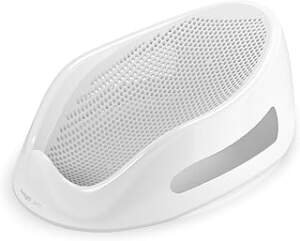
Angelcare Baby Bath Support (Gray) | Ideal for Babies Less Than 6 Months Old
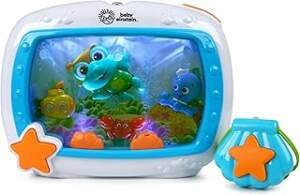
Baby Einstein Sea Dreams Soother Musical Crib Toy and Sound Machine, Newborn and up
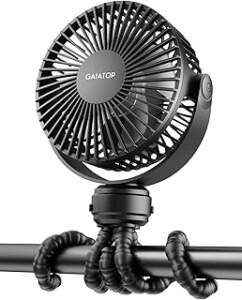
Gaiatop Mini Portable Stroller Fan, Battery Operated Small Clip on, Detachable 3 Speed Rechargeable, 360° Rotate Flexible Tripod Better Cooling for Car Seat Crib Treadmill Travel Black
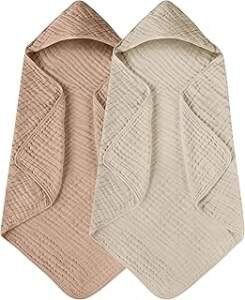
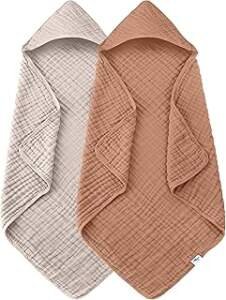
Yoofoss Hooded Baby Towels for Newborn 2 Pack 100% Muslin Organic Cotton Baby Bath Towel with Hood for Babies, Infant, Toddler and Kids, 32x32Inch, Soft and Absorbent Newborn Essential, Beige&Coffee
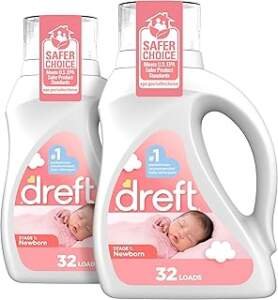
Dreft Newborn Baby Liquid Laundry Detergent, Gentle on Sensitive Skin, HE Compatible, 2 Pack, 32 Loads Each, Baby Laundry Detergent, Newborn Essentials






Leave a Comment