


# Top 5 Childproofing Mistakes To Avoid
The nursery is ready. The swing is assembled. The tiny socks are folded. Congratulations, you’re about to embark on the most exhilarating, exhausting, and utterly wonderful adventure of your life.
Amidst the anticipation, a practical reality sets in: safety. Childproofing isn’t a luxury; it’s essential.
Many first-time parents approach childproofing as a checklist: outlets covered, cabinet latches installed. Done. But true safety requires shifting your perspective—seeing the world not as an adult, but as a determined, curious, and gravity-defying toddler.
Relying solely on retail safety gadgets or ignoring your evolving child’s abilities can lead to dangerous oversights. We’re going to cover the five most common, yet easily avoidable, childproofing mistakes that often catch smart, busy parents off guard.
## 1. Trusting the Gadgets Too Much
Modern childproofing products are fantastic tools, but they are aids, not impenetrable fortresses.
### The Illusion of Security
Parents often rely on products that are marketed as “toddler-proof,” but fail to test them against their own child’s unique brand of mischief.
Think about common cabinet latches. If you install one based on the instructions, but your toddler spends 30 minutes a day yanking the door, the latch (or the cheap adhesive) will eventually fail. The danger is that once the latch fails, the child has instant, unguarded access to cleaning supplies or medications.
**The Fix: The “Toddler Test”**
Whenever you install a safety device, treat it like an evolving experiment:
* **Use Backup:** If you have hazardous materials in a low cabinet (like under the kitchen sink), use two layers of protection: a heavy-duty latch *and* move the most dangerous items to a high shelf.
* **Inspect Weekly:** Look for signs of wear and tear—loose screws, frayed straps, or failing adhesive.
* **Upgrade As Needed:** As your child grows stronger and more ingenious (which happens quickly!), their ability to defeat safety measures increases. That basic foam corner guard might be fine for a cruiser, but a running toddler can knock it right off.
## 2. Neglecting Furniture Anchoring (The Silent Killer)
This isn’t about bruising; it’s about preventing serious injury or death. Tip-over accidents involving furniture, particularly dressers and TVs, are tragically common.
We often think of heavy furniture as inherently stable. However, a child pulling open several drawers simultaneously—especially higher ones—shifts the center of gravity dramatically.
The U.S. Consumer Product Safety Commission (CPSC) estimates that a child dies every two weeks from furniture or TV tip-overs. This is a clear, quantifiable danger, yet it remains one of the most overlooked safety measures.
**The Fix: Anchor Everything That Can Tumble**
Assume any piece of furniture that is not physically affixed to the wall is a climbing opportunity.
* **Anchor All Drawers:** Dressers, storage shelves, and chests of drawers must be secured with appropriate anti-tip kits (often simple straps screwed into the wall stud).
* **Secure Televisions:** Even flat screens are dangerous. They can fall forward off a stand. Use heavy-duty straps to secure the TV to the wall or the stand.
* **Go Beyond the Nursery:** Don’t forget the guest room, the office, or even tall bookshelves that seem stable. If a child visits, these items become potential hazards.
## 3. Childproofing Only at Floor Level
When baby begins to crawl, we focus intensely on everything within 18 inches of the floor. This is right, but the danger zone rapidly expands upward.
By 18 months, your child is likely capable of climbing onto a kitchen chair, a sofa, or an ottoman. Suddenly, the items you thought were safely out of reach on the countertop or the coffee table are accessible.
**The Fix: The Three-Foot View**
Once your child is cruising and climbing, you need to reassess your home from a standing toddler’s vantage point (about three feet).
* **Countertops:** Move knives, heavy kitchen appliances, and particularly dangerous small items (like magnets, batteries, or medication bottles) far back or to secured, high cabinets.
* **Window Cords:** This is critical. Strangulation hazards from blinds and drapery cords are swift and silent. Install cordless blinds or use cord shorteners and cleats to keep all cords out of reach.
* **Tablecloths:** A dangling tablecloth is a handle. A quick tug can bring down hot food, heavy decorations, or breakable items. Eliminate them entirely for a few years.
## 4. Failing to Secure the Gates Properly
Safety gates are essential, particularly for stairs. But the misuse of gates is a huge mistake.
Many parents purchase pressure-mounted gates because they are easy to install and require no drilling. Pressure gates are fine for hallways and doorways where there is no fall risk.
**They are *not* safe for the top of the stairs.**
A strong toddler pushing or leaning against a pressure gate can cause it to dislodge, leading to a serious fall down a flight of stairs—gate and child together.
**The Fix: Know Your Gates**
* **Top of Stairs:** Use only hardware-mounted gates that are screwed securely into the wall studs or banister posts. Ensure the gates swing *away* from the stairs.
* **Bottom of Stairs/Hallways:** Pressure-mounted gates are acceptable here. Always look for gates with vertical slats, not horizontal ones, which can provide an easier foothold for climbing.
* **Mind the Threshold:** Be mindful of the trip hazard created by the bottom bar of many gates, especially when carrying the child up or down the stairs.
## 5. Underestimating the Danger of Small Objects and Batteries
We all know about choking hazards. But many parents fail to realize how many common household items fall into the “small object” category that are far more dangerous than just a simple blockage.
### Button Batteries: A Unique Threat
Button batteries (those small, flat discs found in remote controls, small toys, key fobs, and singing greeting cards) are uniquely lethal if swallowed.
When a button battery gets stuck in the esophagus, it reacts with saliva to create an electrical current, which rapidly burns through tissue. This can happen in as little as two hours, leading to severe internal injury or death.
**The Fix: Aggressive Battery Management**
* **Secure All Compartments:** Tape shut the battery compartments of remote controls and toys that use button batteries.
* **Remove From Reach:** Store spare button batteries (even in original packaging) in a locked location, well away from child access.
* **Act Fast:** If you suspect a child has swallowed a button battery, go to the emergency room immediately. Do not wait for symptoms.
—
Childproofing is less about buying every product on the market and more about proactive vigilance. Get down on your hands and knees. See the sharp corners, the dangling cords, and the inviting drawers. By avoiding these five common mistakes, you’ll create a safe environment that allows your curious child the freedom to explore and grow, without undue risk.
Recommended Products
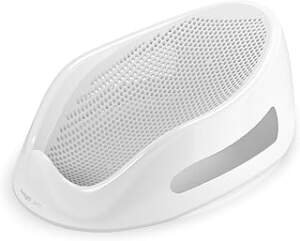
Angelcare Baby Bath Support (Gray) | Ideal for Babies Less Than 6 Months Old
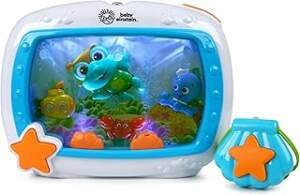
Baby Einstein Sea Dreams Soother Musical Crib Toy and Sound Machine, Newborn and up
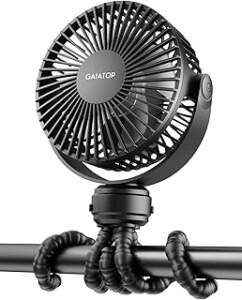
Gaiatop Mini Portable Stroller Fan, Battery Operated Small Clip on, Detachable 3 Speed Rechargeable, 360° Rotate Flexible Tripod Better Cooling for Car Seat Crib Treadmill Travel Black
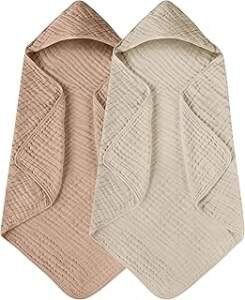
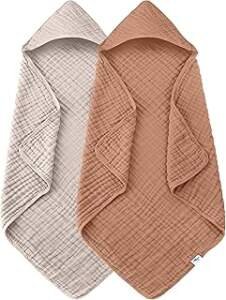
Yoofoss Hooded Baby Towels for Newborn 2 Pack 100% Muslin Organic Cotton Baby Bath Towel with Hood for Babies, Infant, Toddler and Kids, 32x32Inch, Soft and Absorbent Newborn Essential, Beige&Coffee
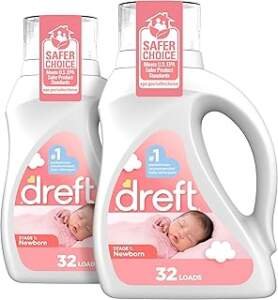
Dreft Newborn Baby Liquid Laundry Detergent, Gentle on Sensitive Skin, HE Compatible, 2 Pack, 32 Loads Each, Baby Laundry Detergent, Newborn Essentials






Leave a Comment