


## Boost Baby’s Brain: Top Developmental Toys
When you look at your baby, you see potential. And rightly so! The early years—especially the first three—are a period of astonishing brain development, a time when billions of neural connections are forming at warp speed.
As parents, we want to give our children the best start. Often, we assume this means expensive classes or high-tech gadgets. But the truth is much simpler, more accessible, and frankly, more fun.
The best tools for nurturing your baby’s rapidly developing brain are often the simplest: developmental toys, coupled with engaged interaction from you. These aren’t just for distraction; they are the fundamental building blocks of cognitive, motor, and social skills.
This article explores why play is essential for neurological growth and highlights the top developmental toys for different stages of your baby’s first year.
### Why Play Is the Brain’s Best Workout
Think of your baby’s brain as a vast, empty city. Play is the construction crew that lays down the roads, builds the power grid, and connects the plumbing.
Every time a baby reaches for a rattle, tracks a mobile, or bats at a gym, they are engaging in vital neural exercises. This process, often called “experience-dependent plasticity,” solidifies the pathways that will govern learning, emotion, and movement for the rest of their lives.
Playing with the right toys encourages:
* **Fine Motor Skills:** Gripping, pinching, transferring objects.
* **Gross Motor Skills:** Reaching, kicking, rolling, crawling.
* **Cognitive Skills (Cause and Effect):** “If I hit this, it makes noise.”
* **Problem-Solving:** Figuring out how shapes fit together.
* **Sensory Processing:** Understanding different textures, colors, and sounds.
The key is matching the toy to the developmental stage, ensuring it offers the right level of challenge without causing frustration.
***
### Newborn Stage (0–3 Months): Sensory Exploration
Newborns spend much of their time sleeping, but when they’re awake, their world is primarily sensory. They can’t yet intentionally grasp things, but their vision, hearing, and touch are being fine-tuned.
#### Black and White Contrast Cards
While vibrant colors are nice for decor, newborns prefer high-contrast patterns. Their optic nerves are still maturing, and sharp contrasts (like black and white stripes or geometric shapes) are easiest for them to focus on.
* **How to use:** Place these cards near the changing table, during tummy time, or attach them to the side of the crib (safely). Tracking these cards strengthens eye muscles and encourages focus.
#### Activity Gyms and Mobiles
A sturdy activity gym provides a safe space for initial motor exploration. Mobiles, when hung at the correct distance (about 10–12 inches away), encourage visual tracking.
* **Key features:** Look for gyms with detachable toys that make different sounds (crinkles, rattles) and can be easily swapped out to keep things interesting.
#### Simple Rattles and Grasp Toys
These should be lightweight and easy to hold, even if the newborn’s grasp is reflexive. Textural variety—smooth plastic alongside crinkly fabric—is excellent for introducing tactile experiences.
***
### Mid-Infancy (4–8 Months): Grasping and Cause/Effect
By four months, the baby is intentional. They are discovering their hands and figuring out how they relate to the objects around them. Everything goes in the mouth, which is a crucial part of sensory learning.
#### O-Ball and Other Textured Balls
The O-Ball is often touted as the perfect first ball. Its large, flexible holes make it incredibly easy for small hands to grab and hold, even when wet from drool.
* **Why it works:** It promotes successful grasping, building confidence and hand strength. The textures also help soothe teething gums.
#### Stacking Cups and Nesting Toys
These are the unsung heroes of cognitive development. While they can’t stack them yet, they love to knock over towers and bang the cups together.
* **Cognitive benefit:** This introduces early concepts of size, order, and spatial relations.
#### Soft Books (Crinkle and Touch)
Books made of durable cloth or vinyl are perfect for this stage. Look for pages with different textures (velvet, corduroy, bumpy plastic) and sounds (a sewn-in crinkle paper).
* **Language preparation:** Reading aloud, even if the book is mostly sensory, links sound (your voice) with visual and tactile experience, setting the foundation for literacy.
***
### Late Infancy (9–12+ Months): Mobility and Problem-Solving
As babies become mobile (crawling or cruising), their world expands dramatically. They are ready for more complex challenges that engage planning and persistence.
#### Shape Sorters
This is the classic brain puzzle. While a 9-month-old won’t immediately understand that the square peg goes into the square hole, the act of trying, manipulating the shapes, and focusing on the task is what builds neurological connections.
* **Parent tip:** Start by letting them only put the shapes in an open lid, then gradually introduce the sorting requirement. Praise effort, not just success.
#### Simple Push and Pull Toys
Once cruising or walking begins, toys that encourage movement are excellent for gross motor development. Push walkers (which provide stability) and simple string-pull toys motivate them to travel across the room.
* **Spatial awareness:** Moving toys through space helps the baby understand distance, speed, and trajectory.
#### Large Building Blocks (Soft or Wood)
Blocks encourage creativity and complex motor planning. At this stage, they are likely building horizontally (knocking blocks together) or stacking only two high. That’s okay!
* **Math concepts:** Blocks introduce physics concepts (gravity, balance) and spatial reasoning long before formal schooling. Duplo or soft foam blocks are great starters.
***
### The Best Toy Isn’t Always a Toy
While these developmental toys are wonderful tools, remember that the most powerful element in your baby’s developmental environment is you.
An expensive toy that lights up and talks is less beneficial than a simple wooden spoon that you share with your child, discussing its shape and sound as you drum it on the floor.
Engagement transforms a static object into a learning opportunity. Talk to your baby about the colors they see, the textures they feel, and the sounds they create.
By providing a stimulating environment and participating actively in their play, you are not just entertaining them—you are architecting the incredible structure of their future intelligence. Happy playing!
Recommended Products
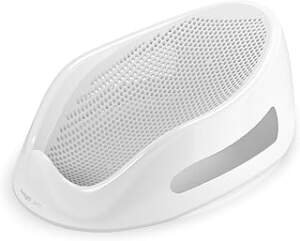
Angelcare Baby Bath Support (Gray) | Ideal for Babies Less Than 6 Months Old
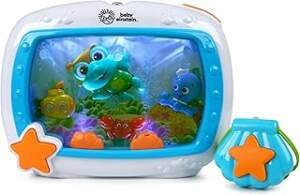
Baby Einstein Sea Dreams Soother Musical Crib Toy and Sound Machine, Newborn and up
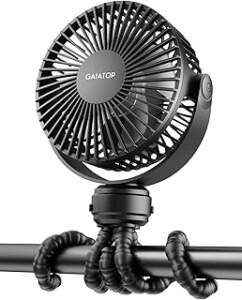
Gaiatop Mini Portable Stroller Fan, Battery Operated Small Clip on, Detachable 3 Speed Rechargeable, 360° Rotate Flexible Tripod Better Cooling for Car Seat Crib Treadmill Travel Black
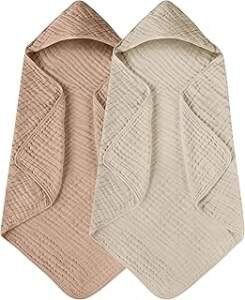
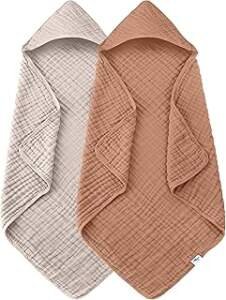
Yoofoss Hooded Baby Towels for Newborn 2 Pack 100% Muslin Organic Cotton Baby Bath Towel with Hood for Babies, Infant, Toddler and Kids, 32x32Inch, Soft and Absorbent Newborn Essential, Beige&Coffee
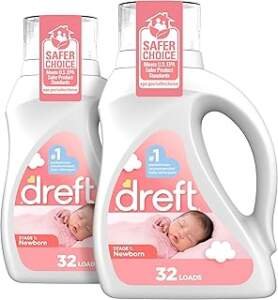
Dreft Newborn Baby Liquid Laundry Detergent, Gentle on Sensitive Skin, HE Compatible, 2 Pack, 32 Loads Each, Baby Laundry Detergent, Newborn Essentials






Leave a Comment