


# Start Solids Safely: Your Baby Feeding Guide
The journey of introducing solid foods to your baby is a major milestone—a messy, exciting, and sometimes confusing one. This transition, often called “weaning,” marks the moment your baby starts moving beyond exclusive milk feeds and into the wonderful world of textures and tastes.
It’s natural to feel a mix of anticipation and anxiety. Are they ready? What should I feed them first? Am I going to cause an allergic reaction?
This guide breaks down the essential steps for starting solids safely, focusing on timing, methods, and those crucial early foods.
## When Is the Right Time to Start?
The most important takeaway: The “right time” is not tied strictly to the calendar, but to your baby’s developmental readiness.
While official recommendations often point toward around six months, this is an average. Starting too early (before four months) can be dangerous as their digestive system and coordination aren’t ready. Starting too late can potentially lead to nutritional deficiencies and missed developmental windows for accepting textures.
Instead of focusing only on age, look for these three key signs of readiness:
### 1. Head and Neck Control
Your baby must be able to sit up mostly unassisted and hold their head steady. This stability is critical for safe swallowing and reducing the risk of choking. If they are slumping, they are not ready.
### 2. Loss of the Tongue-Thrust Reflex
When babies are only drinking milk, they automatically push anything solid placed on their tongue out of their mouth. This is the tongue-thrust reflex. When this reflex fades, they can successfully move food from the front of their mouth to the back for swallowing. If you put a spoonful of puree in their mouth and it immediately comes back out, they likely still have this reflex.
### 3. Showing Interest
Your baby watches you eat, leans toward your food, and perhaps even tries to grab it. This curiosity is a strong indicator that they are developmentally and psychologically prepared for food exploration.
Wait until you see all three signs consistently before offering the first bite.
## Choose Your Path: Purees vs. Baby-Led Weaning
There are two primary, healthy ways to introduce solids, and many parents choose a combination of both.
### The Traditional Route: Purees
Starting with smooth, single-ingredient purees (like rice cereal, sweet potato, or avocado) allows your baby to practice swallowing new textures while you control the consistency.
**Puree Advantages:**
* Clear measurement of how much food is consumed.
* Easier introduction of iron-fortified cereals.
* Less initial mess (though it still gets messy!).
### Baby-Led Weaning (BLW)
BLW involves skipping purees entirely and offering soft, appropriately sized pieces of table food right from the start. The baby feeds themselves, promoting fine motor skill development and self-regulation of intake.
**BLW Advantages:**
* Encourages independence and exploration.
* Exposes the baby to family foods and textures sooner.
* May help develop better oral motor skills.
> **Crucial Safety Note:** Whether using purees or BLW, always supervise your baby while they are eating and ensure foods are cut into thick, finger-sized strips (about the size and shape of an adult pinky) to reduce choking risk. Grapes, hot dogs, nuts, and hard candies are definite no-gos.
## The First Foods: What to Introduce
The modern consensus has shifted away from the old rules that dictated only cereal first. Now, the emphasis is on offering nutrient-dense foods, particularly those rich in iron and healthy fats.
Iron stores, which were robust at birth, start to deplete around six months, making iron a priority in the diet.
### Essential First Foods Checklist:
* **Iron-Rich:** Iron-fortified baby cereals (mixed with breast milk or formula), pureed meats (chicken, beef), lentils, or tofu.
* **Healthy Fats:** Avocado (mashed or sliced), hummus (low salt), and plain full-fat yogurt.
* **Simple Vegetables:** Sweet potato, carrots, green beans, or butternut squash.
* **Simple Fruits:** Banana, mango, or well-cooked apples.
Focus on single ingredients first. Offer one new food every two to three days. This simple pacing helps you identify any potential sensitivities or intolerances.
## Managing Allergens Safely
One of the biggest concerns for parents is the introduction of common allergens. Current guidelines recommend early and regular introduction of major allergens (peanut, egg, dairy, wheat, soy, tree nuts, fish, and shellfish) to potentially reduce the risk of developing allergies.
**How to Introduce Allergens:**
1. **Start Early:** Once your baby is tolerating other foods well, usually between six and eight months.
2. **Introduce One at a Time:** This allows you to monitor for reactions.
3. **Choose a Safe Form:** Never offer whole peanuts or thick peanut butter. Instead, mix a small amount of smooth peanut butter powder or diluted, creamy peanut butter into breast milk, formula, or yogurt. Offer well-cooked egg yolk and white (scrambled and mashed).
4. **Stay Home:** Introduce the food during the day and at home so you can observe the baby for several hours afterward.
If you have a strong family history of allergies, eczema, or prior allergic reactions, consult your pediatrician before introducing high-risk foods.
## The Role of Milk: Food Is Just for Fun (For Now)
During the first few months of solids, remember that breast milk or formula remains the primary source of nutrition and calories. Solids are supplementary—they are for exploration, development, and learning.
Continue to offer milk on demand or at the same frequency. Offer solids 30–60 minutes *after* a milk feeding so your baby is not ravenously hungry but also not too full. This ensures they are relaxed enough to try new things but not tempted to replace their vital milk intake with a few spoonfuls of sweet potato.
Enjoy the mess, the funny faces, and the discovery of this wonderful new chapter. With patience and a focus on safety and nutrition, you are setting your baby up for a lifetime of healthy eating habits.
***
*Disclaimer: This guide is for informational purposes only. Always consult your pediatrician regarding your baby’s specific nutritional needs and health status.*
Recommended Products
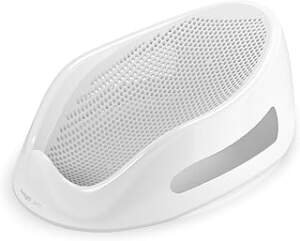
Angelcare Baby Bath Support (Gray) | Ideal for Babies Less Than 6 Months Old
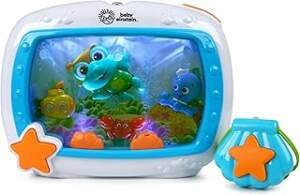
Baby Einstein Sea Dreams Soother Musical Crib Toy and Sound Machine, Newborn and up

Gaiatop Mini Portable Stroller Fan, Battery Operated Small Clip on, Detachable 3 Speed Rechargeable, 360° Rotate Flexible Tripod Better Cooling for Car Seat Crib Treadmill Travel Black
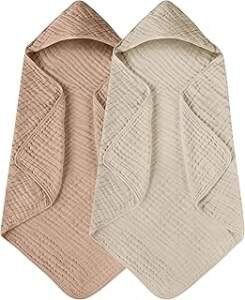
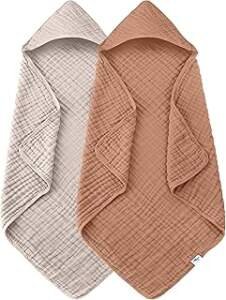
Yoofoss Hooded Baby Towels for Newborn 2 Pack 100% Muslin Organic Cotton Baby Bath Towel with Hood for Babies, Infant, Toddler and Kids, 32x32Inch, Soft and Absorbent Newborn Essential, Beige&Coffee
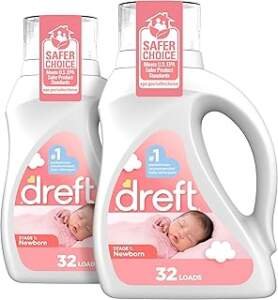
Dreft Newborn Baby Liquid Laundry Detergent, Gentle on Sensitive Skin, HE Compatible, 2 Pack, 32 Loads Each, Baby Laundry Detergent, Newborn Essentials






Leave a Comment